

Grand-Bassam is a day-trip destination from Abidjan known for its Historic Town, a former capital with colonial-era architecture and the N’zima African fishing village. The journey by road takes an estimated 34 minutes, while the bus itineraries take longer and include transfers.
- Destination: Grand-Bassam Historic Town, Côte d’Ivoire
- Road journey: about 34 minutes from Abidjan
- Bus options: 1 hour 58 minutes or 2 hours 27 minutes
- Historic quarter walk: allow one to two hours for Quartier France
Why visit Grand-Bassam from Abidjan?
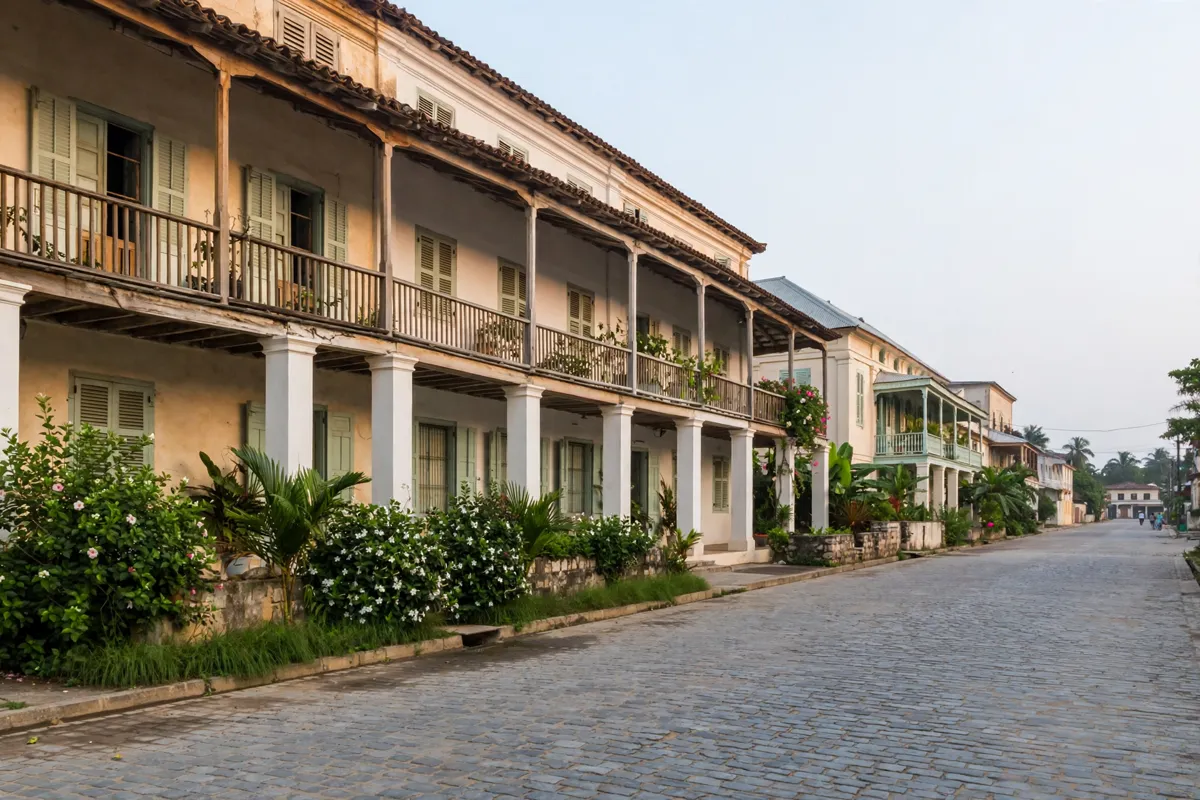
Grand-Bassam’s Historic Town brings together colonial buildings and the N’zima African fishing village in a place with a major role in Côte d’Ivoire’s history.
UNESCO describes the town as an example of a late-19th- and early-20th-century colonial town. It was once the country’s most important port, economic centre and judicial centre. Its heritage also bears witness to social relations between Europeans and Africans, and to the later independence movement.
That history gives a day in Grand-Bassam a clear focus: spend time among the historic streets and architecture, then add the waterfront if your schedule allows. The Historic Town received UNESCO recognition in 2012.
How do you get from Abidjan to Grand-Bassam?
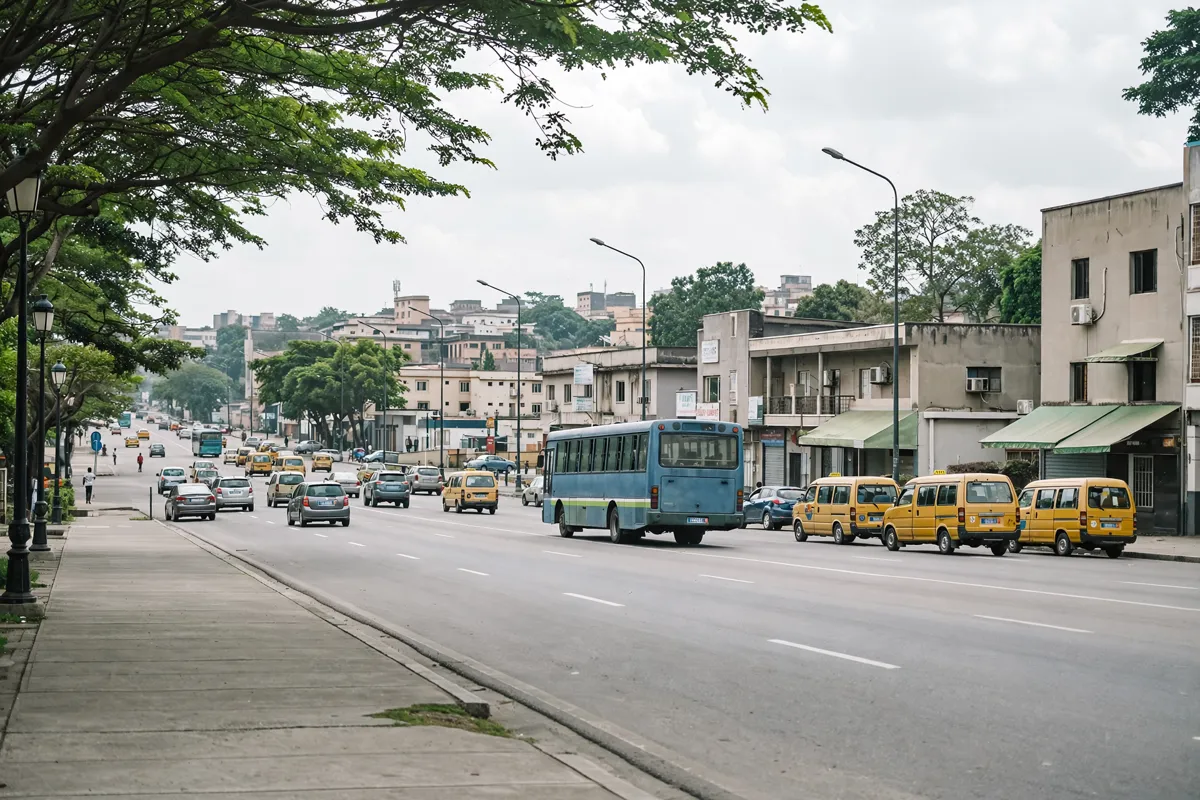
You can travel by road or use bus connections between the cities. The municipal transport information gives an estimated road journey of about 34 minutes from Abidjan and describes two bus itineraries, both involving transfers.
By road
For a direct journey, allow about 34 minutes from Abidjan by road. Treat this as a planning estimate rather than a guaranteed arrival time, and confirm current conditions and transport arrangements before setting out.
By bus
Bus lines 53 and 68 take an estimated 1 hour 58 minutes, including transfers. An alternative using lines 82 and 717 takes an estimated 2 hours 27 minutes. Check current route details before choosing, since services and transfer arrangements may change.
Gare de Treichville is about 13 minutes by car from Byblos Hotel. The guide to getting around Abidjan from Byblos Hotel covers local transport around the city.
What can you see around the historic quarter?
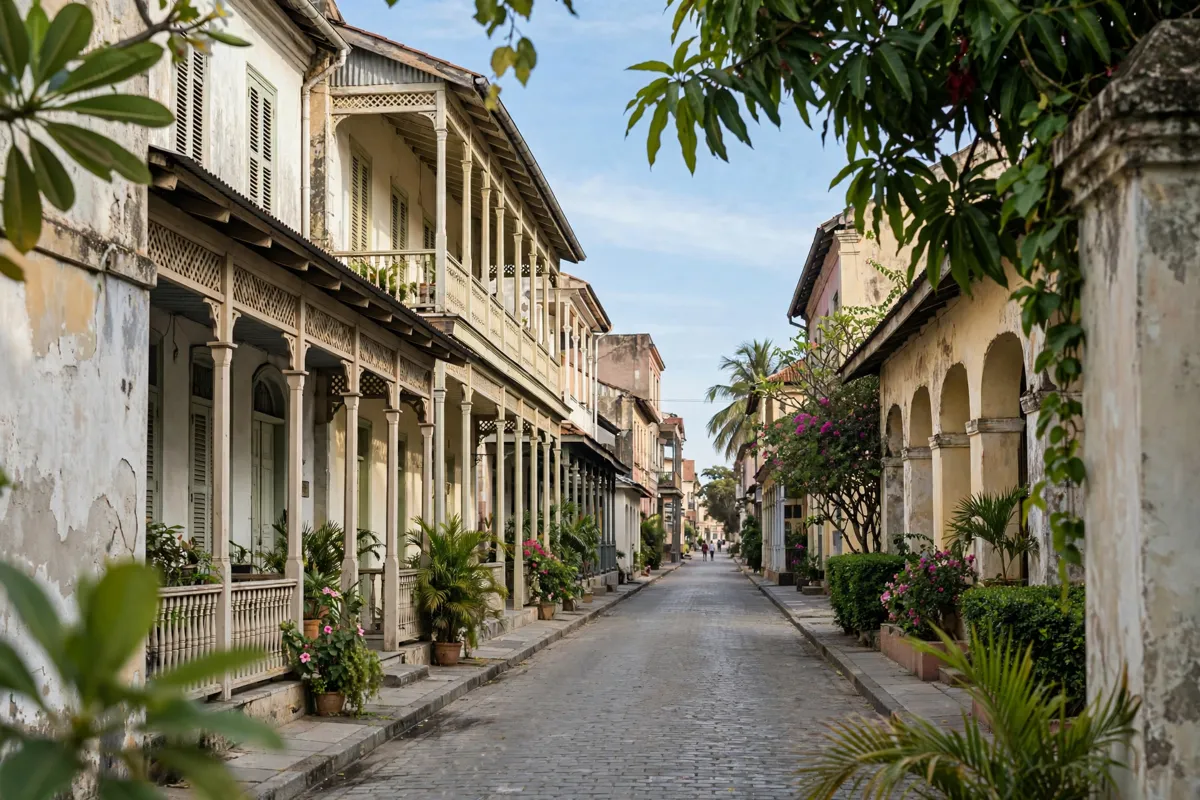
Quartier France is a practical place to focus your historic-quarter visit, with colonial architecture and the Maison du Patrimoine Culturel among its landmarks.
A visitor guide estimates that walking around Quartier France takes one to two hours. The route’s historic buildings include galleries, verandas and gardens, while the nearby N’zima fishing village adds another part of the town’s living history.
The Maison du Patrimoine Culturel is housed in the former Hôtel des Postes, a colonial-era building dating to 1894. The building was restored from 1993 to 2002 and inaugurated on 11 July 2002. The cultural heritage centre was created by ministerial order in 2003 and is now part of the Office Ivoirien du Patrimoine Culturel.
Allow time to take in the architecture as you move through the quarter. The historic landscape is significant, and UNESCO notes that pressure from beach tourism may threaten its integrity.
How can you add the waterfront and beach?
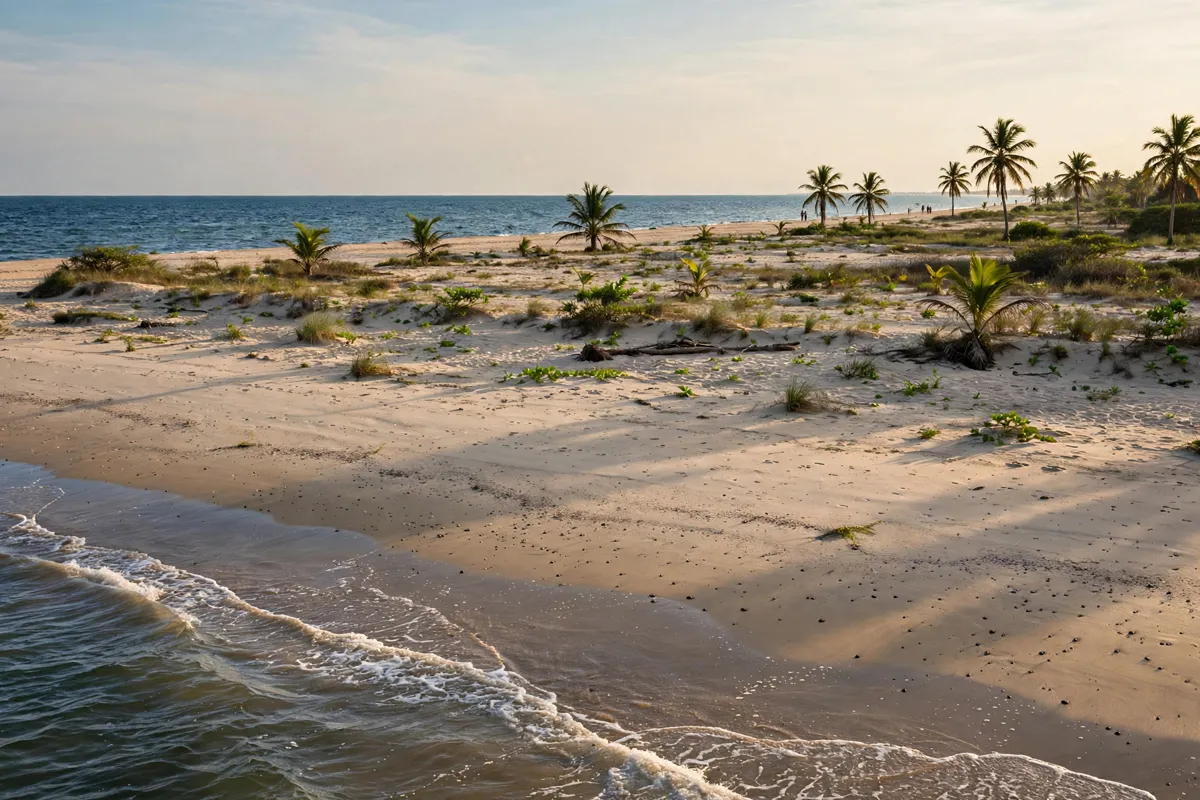
You can pair time in the historic quarter with a visit to Grand-Bassam’s waterfront, but keep the town’s heritage in mind as you plan the day.
Beach tourism is part of the pressure UNESCO identifies as a risk to the integrity of the historic urban landscape. A visit that includes both the quarter and waterfront can therefore give you two different views of Grand-Bassam: its built heritage and its coastal setting. Allow enough time for your return journey when deciding how much to fit in.
Grand-Bassam’s cultural life also includes the Abissa Festival; its festival dates and visitor planning are a separate consideration from this day-trip itinerary.
What should you verify before setting out?
Check current transport arrangements and access details before you leave Abidjan. Bus routes and journey estimates can change. SOTRA gives service hours of 04:30–22:00 every day, while noting that shuttles mainly run during peak hours and some Express lines operate for shorter periods.
For transport information, check the Grand-Bassam municipal transport page and SOTRA’s official information. Check the official site before you go.
FAQs
What is Grand-Bassam known for?
Its Historic Town combines colonial-era buildings with the N’zima African fishing village. UNESCO also recognizes the town’s historical role and heritage.
What is the Maison du Patrimoine Culturel?
It is a cultural heritage centre in Quartier France, housed in the former Hôtel des Postes, a colonial-era building dating to 1894.
When did Grand-Bassam’s Historic Town receive UNESCO recognition?
In 2012.